
Shah – Lactate in the ICU
Dr. Sanjeev Shah, Assistant Professor of Clinical Medicine at the University of Pennsylvania presents present the weekly multi-departmental critical care fellows’ lecture on “Lactate in the ICU – more th

Dr. Sanjeev Shah, Assistant Professor of Clinical Medicine at the University of Pennsylvania presents present the weekly multi-departmental critical care fellows’ lecture on “Lactate in the ICU – more th
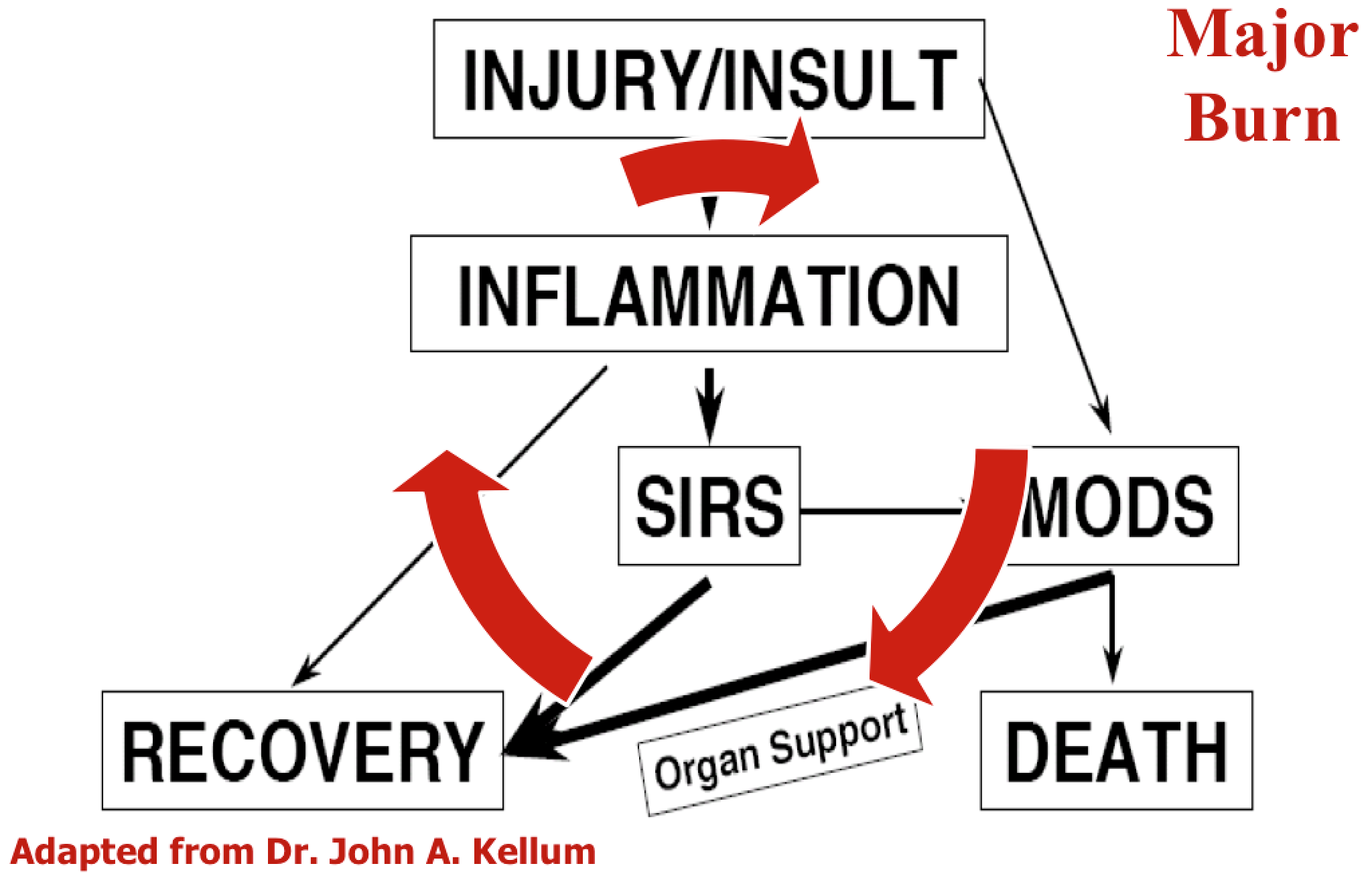
Today with have the distinct pleasure to welcome a mentor of mine and a true expert in the field of critical care, Kevin K Chung, MD, FCCM, FACP, Colonel, Army. After finishing a fellowship in Critical Care Medicine at Walter Reed Army Medical Center, Dr. Chung was assigned to the US Army Institute of Surgical Research (USAISR) where he has served in the capacity of Medical Director of the Burn Intensive Care Unit, Task Area Manager of Clinical Trials in Burns and Trauma, and the Director of Research for the USAISR. We are exceedingly fortunate to have him in town to speak on ICU management of Burns. Dr. Chung is the WORLD EXPERT on this topic. I recommend everyone, no matter your practice, take 60 minutes to appreciate the depth of knowledge passed along in this lecture. Burns don’t just present to burn centers!
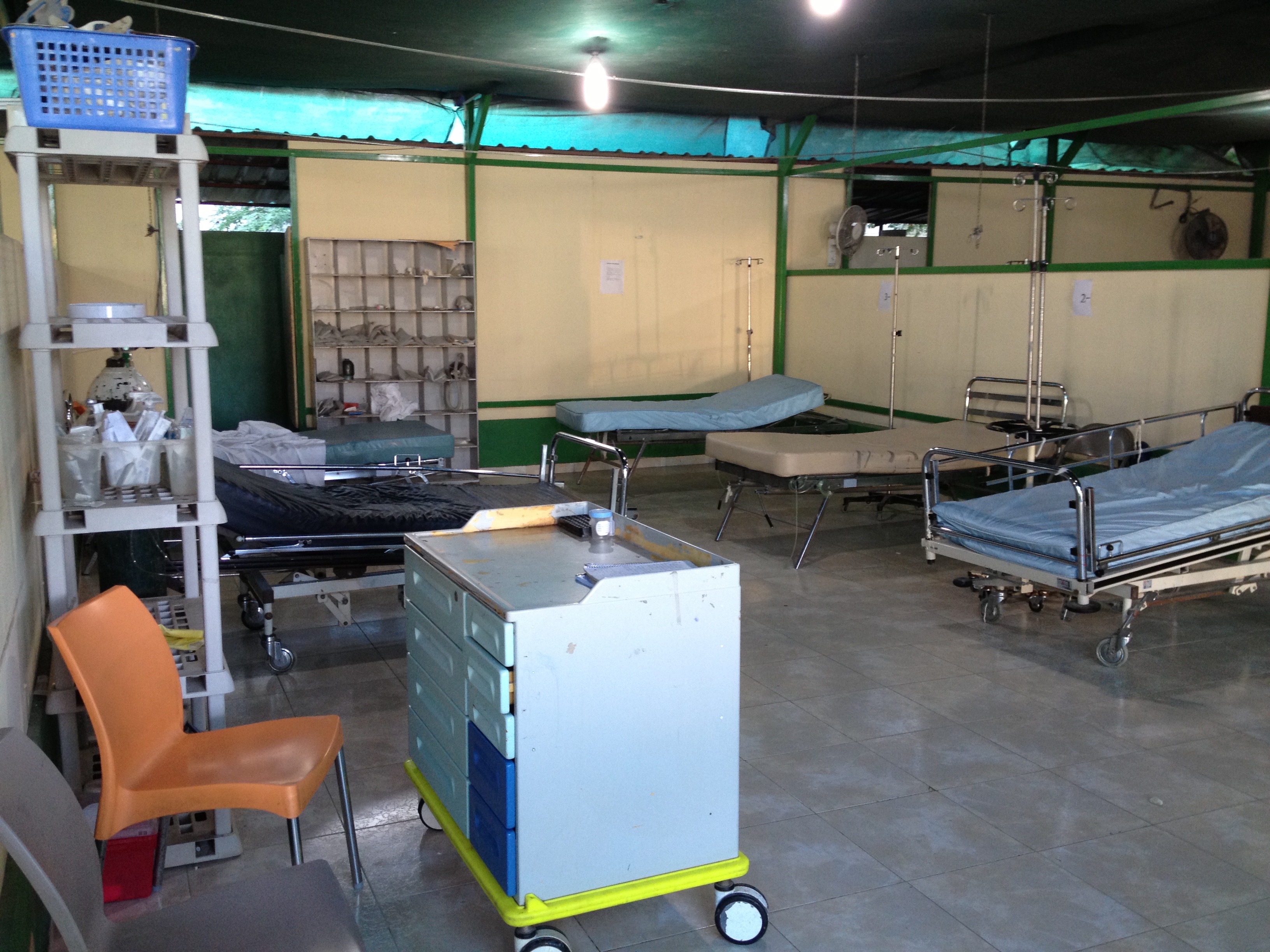
Today we have the distinct pleasure to welcome Neill Adhikari, MDCM, M.Sc., one of the world’s experts on critical care management in resource limited settings. Dr Adhikari is currently practicing as an intensivist at Sunnybrook Health Sciences Centre in the Interdepartmental Division of Critical Care at the University of Toronto. He also acts as an Associate scientist, Evaluative Clinical Sciences, Trauma, Emergency & Critical Care Research Program, at the Sunnybrook Research Institute where he focuses on critical care delivery in low-resource settings. Over his brief academic career Dr. Adhikari has been incredibly prolific in academic production, publishing over 180 peer-reviewed journal articles and accepting speaking engagements from around the globe. This afternoon we were fortunate to lure him down from Canada to speak on an exceedingly important topic: how can we address the devastation of sepsis in areas of the world where basic labs and clean water can often be a luxury and not a guarantee?
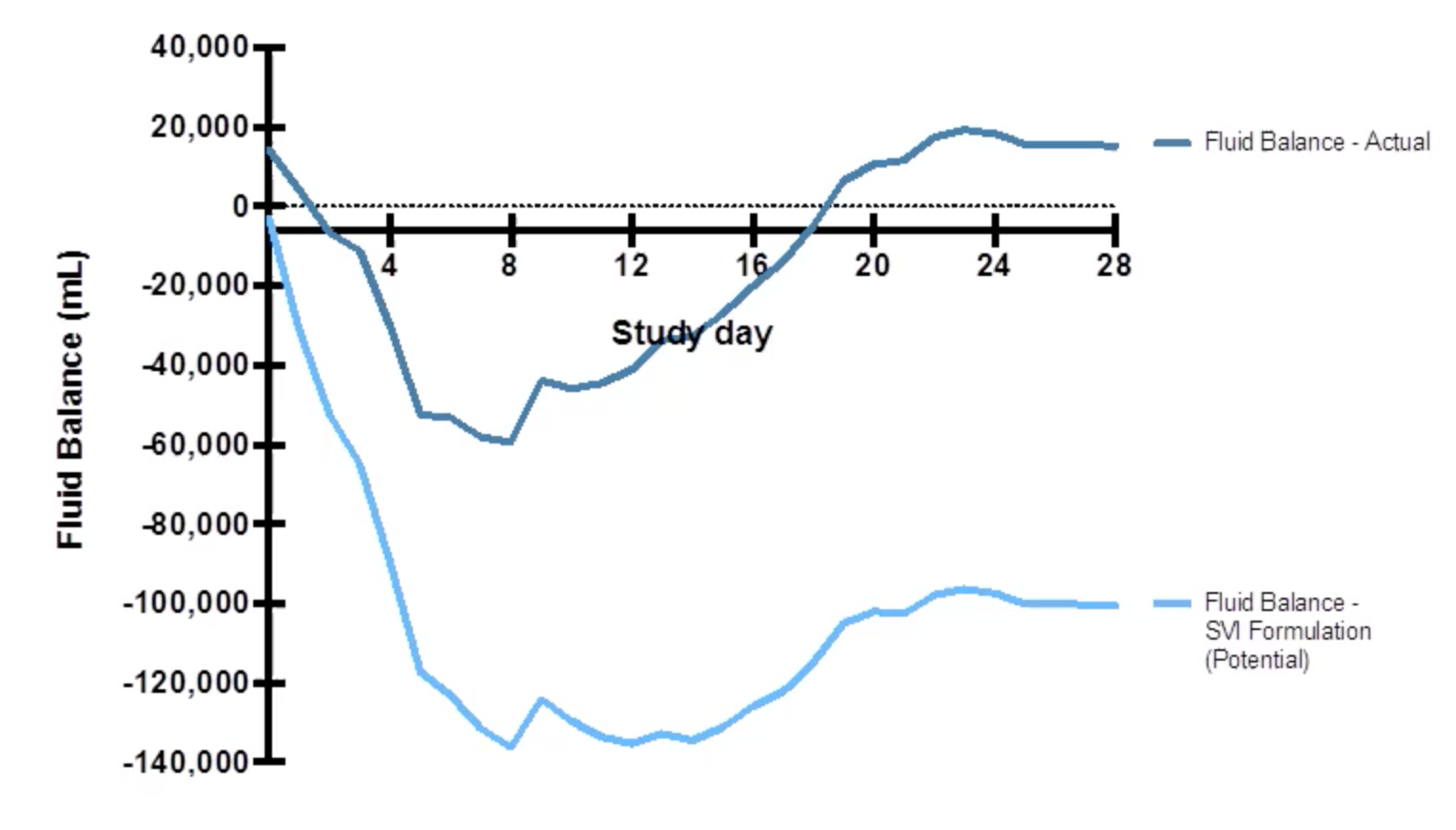
Enough is enough….. When have we gone too far with fluid resuscitation? Dr. Carl B. Shanholtz, Professor of Medicine and author to over 100 peer reviewed journal articles discusses this highly debated topic. I assure you, this talk will truly open your mind into exactly how LITTLE we know about fluid resuscitation!
written by Scott Sullivan, MD Today it is my pleasure to introduce Dr. Mukta Srivastava. She is the Cardiology Fellowship Program Director and an interventionist actively involved in the insertion
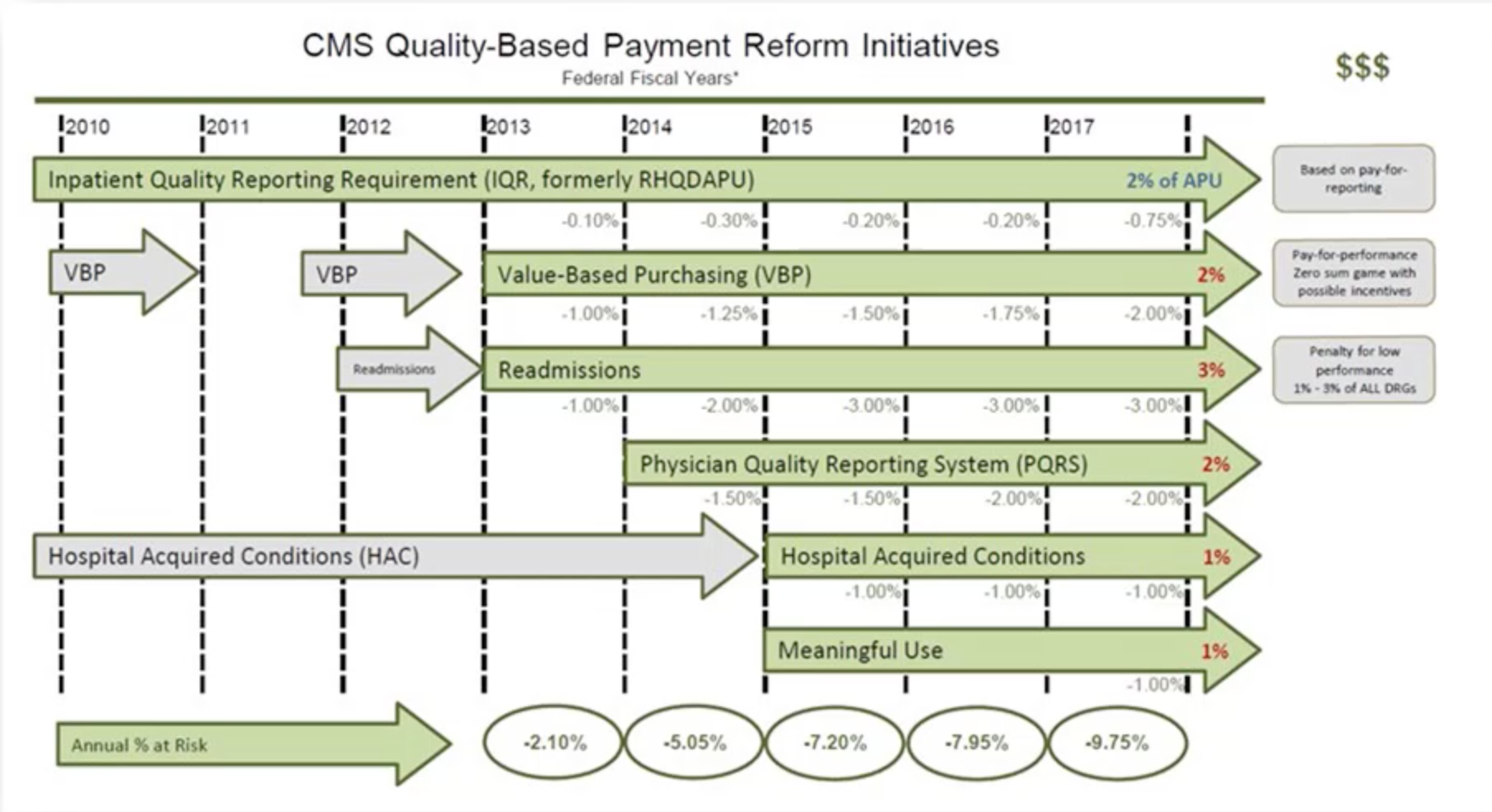
This is a rare occasion, for a brief period we were able to lure Brent C. James, M.D., M.Stat. off Capital Hill long enough to allow us to record his brilliance in the form of a 90 minute lecture. Dr. James has earned too many accolades to list all in one place, briefly he joined Intermountain Healthcare in 1986 as the Director of Medical Research and Continuing Medical Education and quickly crafted Intermountain into a juggernaut of medical informatics pushing them to the pinnacles of quality health care. He just recently has stepped down as the Chief Quality Officer to focus more on the teaching aspects of his career as he continues to lead the Intermountain Advanced Training Program.
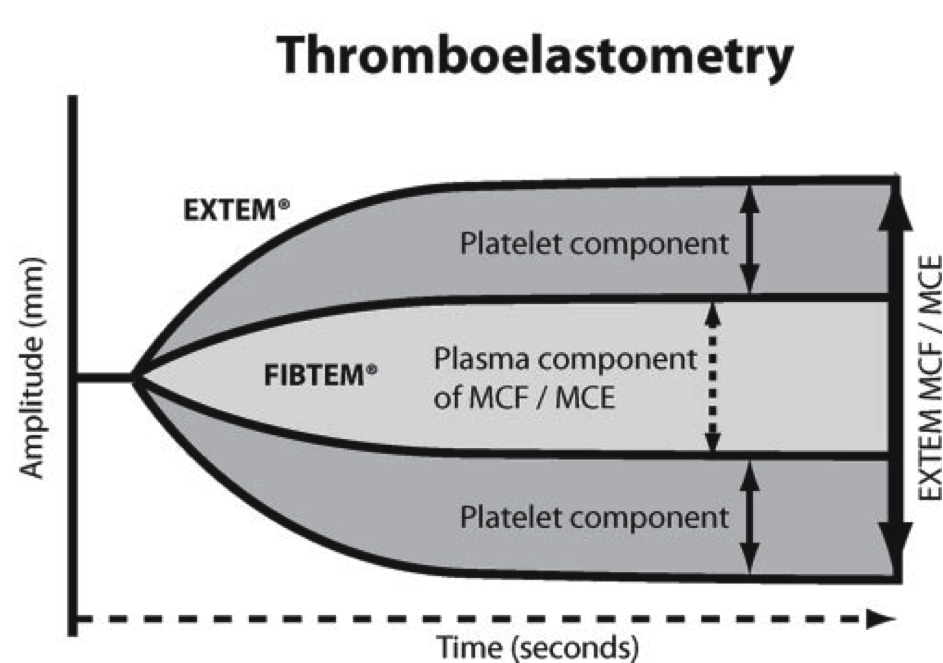
Join me in welcoming Kenichi Tanaka, M.D., MSc., Professor of Anesthesiology and Division Chief Cardiothoracic Anesthesiology at the University of Maryland Medical Center. Dr. Tanaka started his Anesthesia training at Pittsburgh, then specialized in Cardiothoracic Anesthesia at Emory where he also earned a Masters in the Science of Clinical Research. Since joining UMMC in 2014 Dr. Tanaka has raised the bar in regards to academic research by publishing > 100 peer-reviewed journals and serving on the editorial boards of British Journal of Anaesthesia (Associate Editor), Anesthesia & Analgesia (Senior Editor), and Journal of Cardiothoracic Vascular Anesthesia. Dr. Tanaka discusses how to stop the bleeding like a sniper, rather than using a shotgun approach.
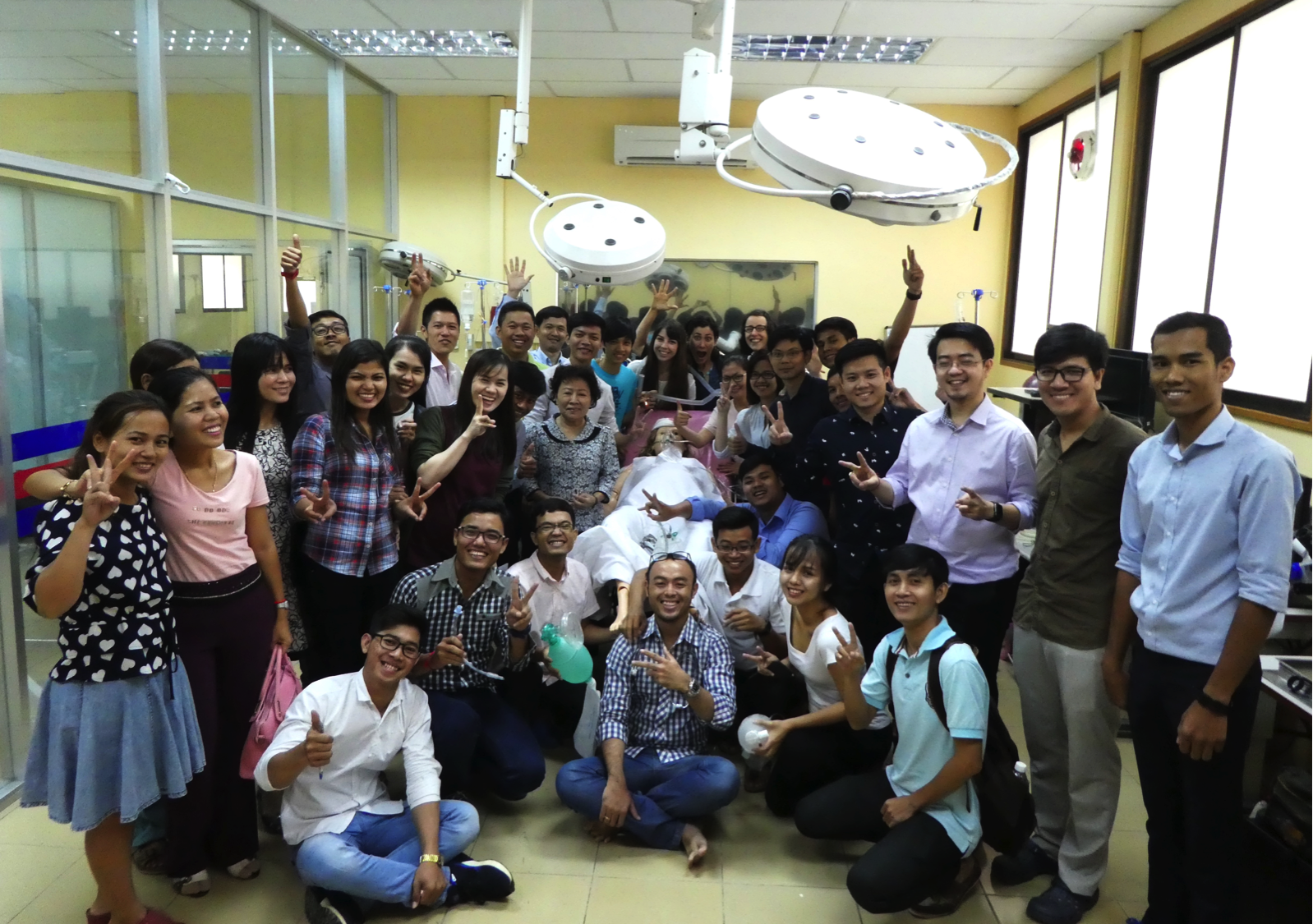
Today is quite a pleasure and a unique opportunity for MCCP, this talk was sent to us by Andrew Lim, MD. During his tenure as a medical student at UCSF Dr. Lim found time to also complete the UC Berkeley – UCSF Joint Medical Program for his M.S. in Public Health. Andrew put these skills to good use as an Emergency Medicine resident at The University of Washington jumping on every chance to make his mark on the International Health community. However, don’t let the ACGME status fool you, he has been around the world working with some remarkable people along the way. The things you will hear and learn in this talk will open your eyes to just what it means to treat sepsis in Sub-Saharan Africa, or how to make an ARDS diagnosis when a blood gas is a luxury. I assure you, this is one the better uses of 30 minutes you will find all year!
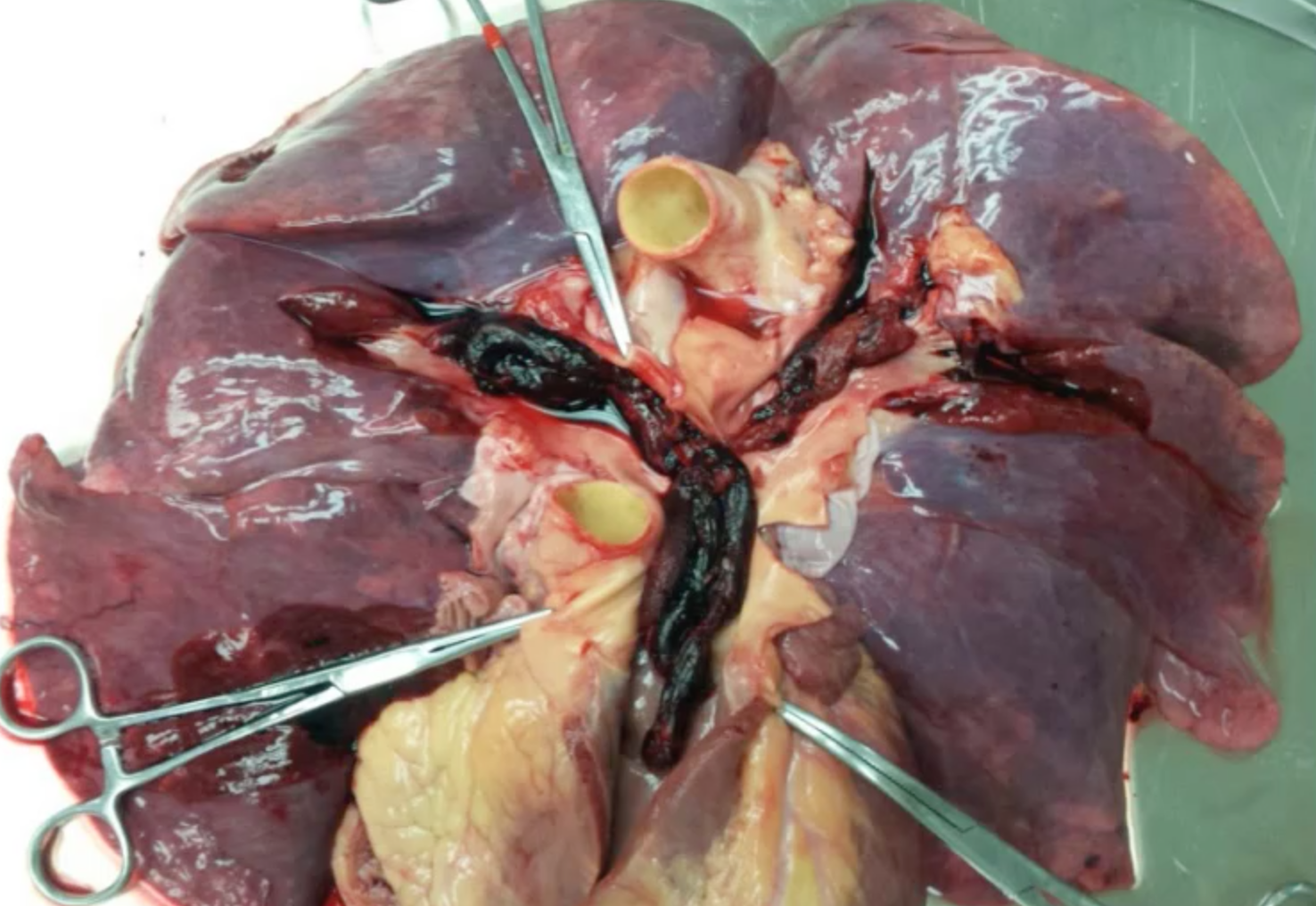
Today we welcome back one of our favorite graduates of the EM/IM/CCM residency/fellowship here at University of Maryland, Michael C. Scott, MD. Luckily he stayed local and has been paving his own path across town at St. Agnes Hospital of Baltimore, Maryland. Dr. Scott originally hails from San Antonio Texas, where he graduated from the University of Texas Medical School Medical School before heading up to the North East. Since his arrival to Baltimore, Mike has demonstrated a wide knowledge of modern academic literature and has continued to challenge the status quo in medicine! Dr. Scott has proved time and time again that there are no definitives in medicine and today he tackles a very polarizing topic: what to do with a submassive PE?