
Angela's Story – Resus of an Amniotic Fluid Embolism Induced DIC with TEG
About a month ago, a young woman by the name of Angela Knight reached out to let us to let us know that she believes the use of the thrombelastogram
Educational posts, organized by topic
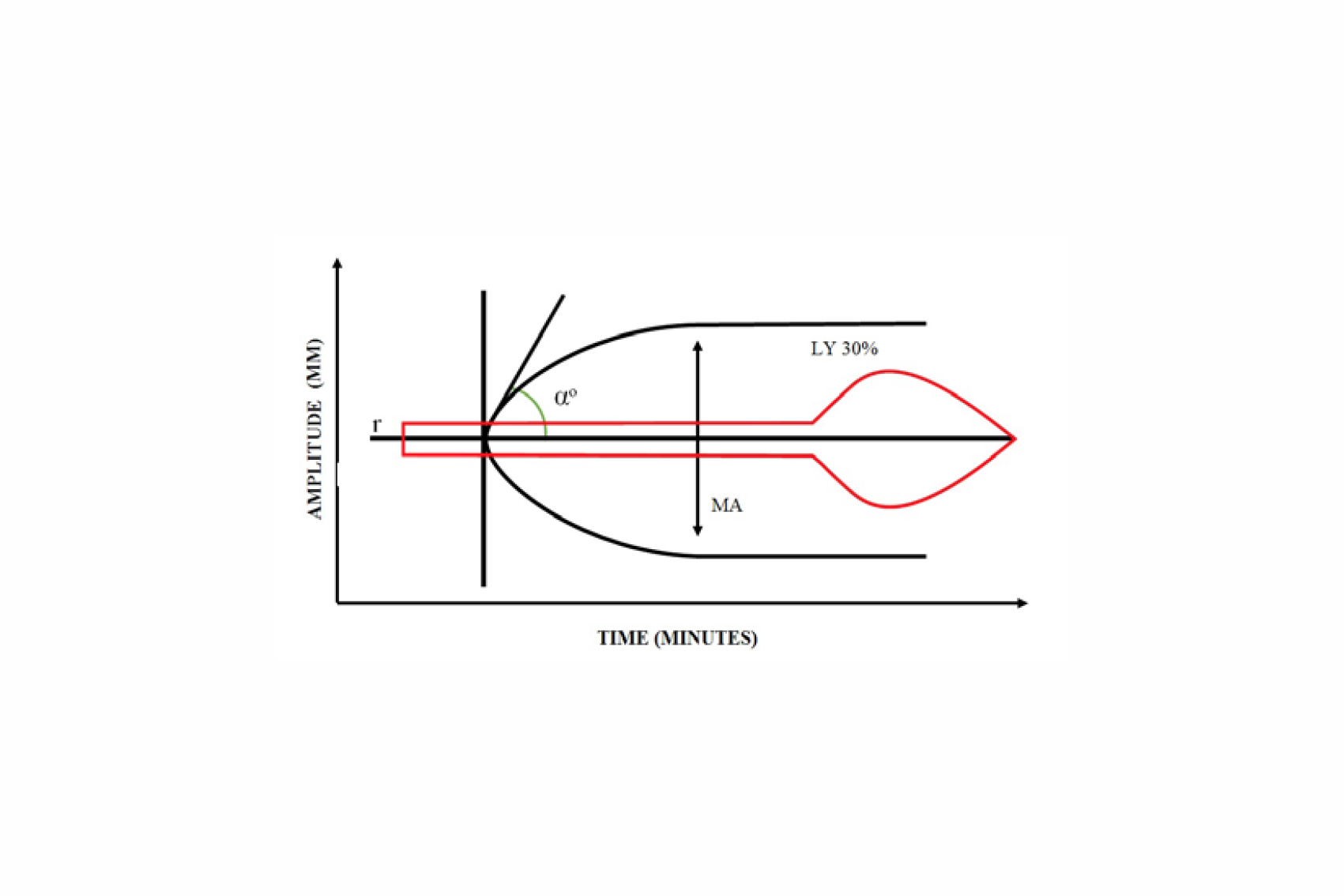
About a month ago, a young woman by the name of Angela Knight reached out to let us to let us know that she believes the use of the thrombelastogram
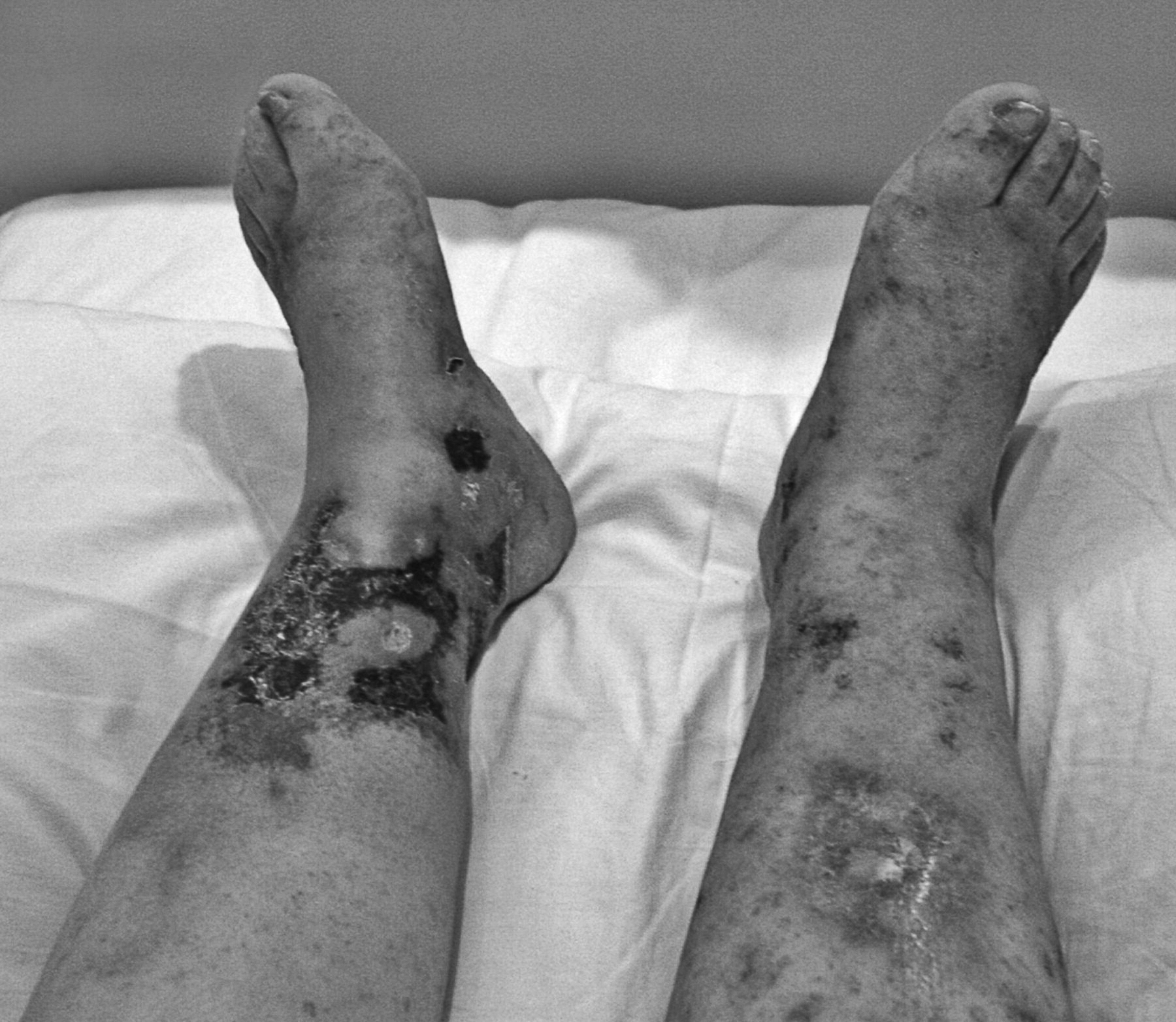
Thanks to Drs. Katelyn Donohue and Christina Tupe for this fantastic Case Report! After a long night of all-out chaos you hear of a transfer accepted by the previous shift and fast

As critical care physicians, we all wish to lead our ICU to better outcomes and give the highest quality care. One way to do that is being actively involved in
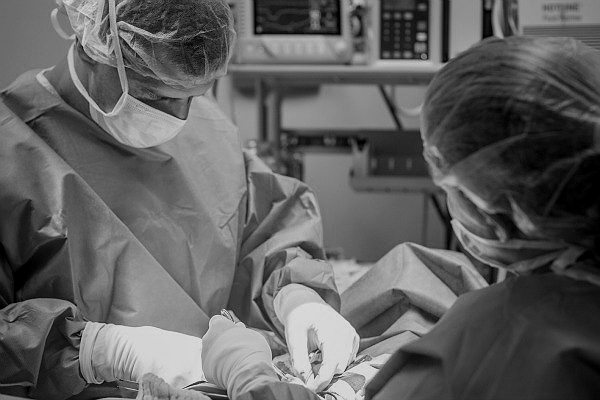
Today we are pleased to welcome a very prestigious guest: Dr. Mary Njoku, owner of the M. Jane Matjasko Professorship for Education in Anesthesiology, the current director of the University of
[tab_nav type=”two-up”][tab_nav_item title=”Clinical Case” active=”true”][tab_nav_item title=”Answer” active=””][/tab_nav][tabs][tab active=”true”]You are working late one night when you are called by the ED to come down and help with someone who needs direct
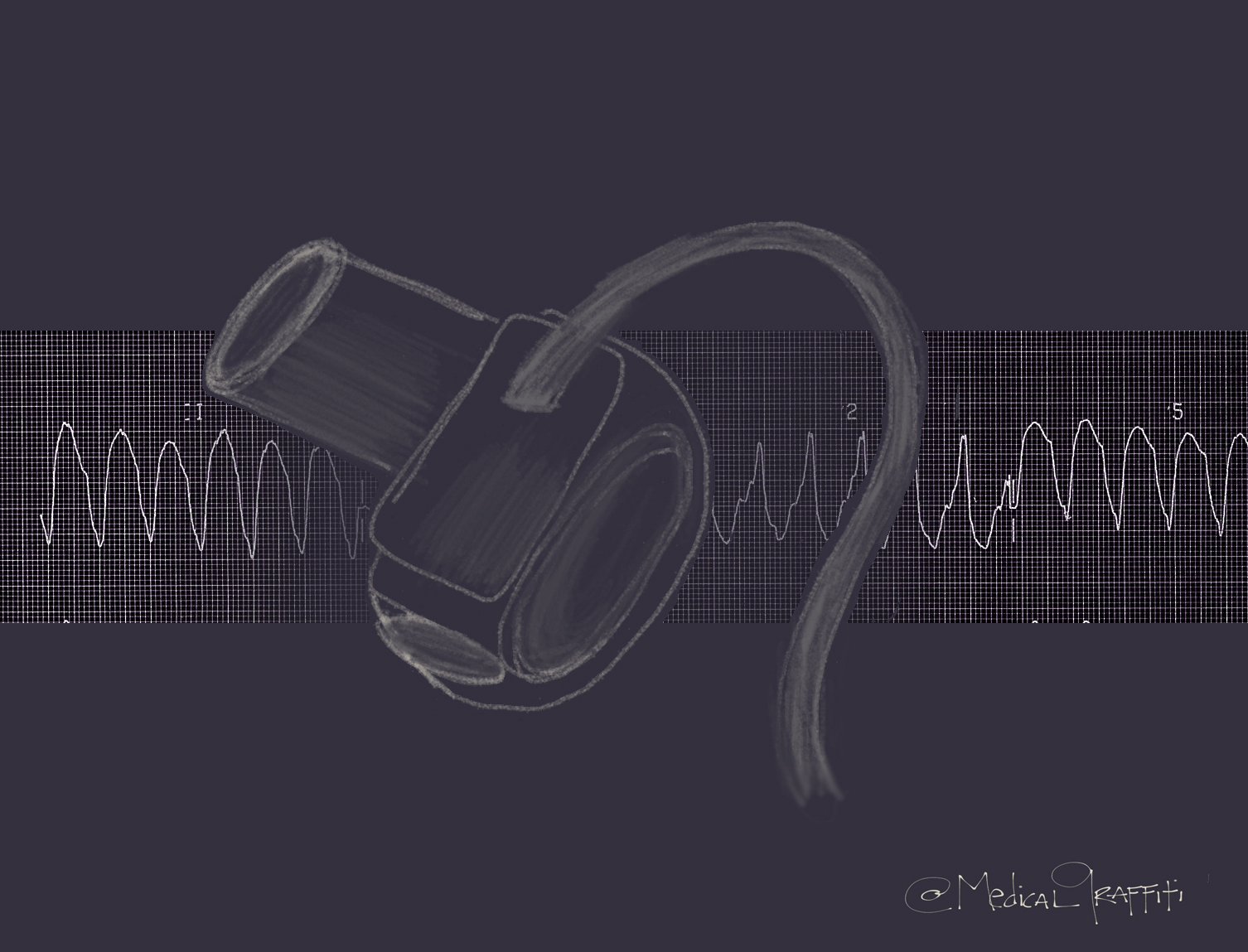
[tab_nav type=”two-up”][tab_nav_item title=”Clinical Case” active=”true”][tab_nav_item title=”Answer” active=””][/tab_nav][tabs][tab active=”true”] A 52 year old male is admitted to your ICU with complications related to his LVAD. He is hypotensive & having intermittent

[tab_nav type=”two-up”][tab_nav_item title=”Clinical Case” active=”true”][tab_nav_item title=”Answer” active=””][/tab_nav][tabs][tab active=”true”] You are working in the MICU on a relatively quiet Sunday night, turn the lights off and just as you are about
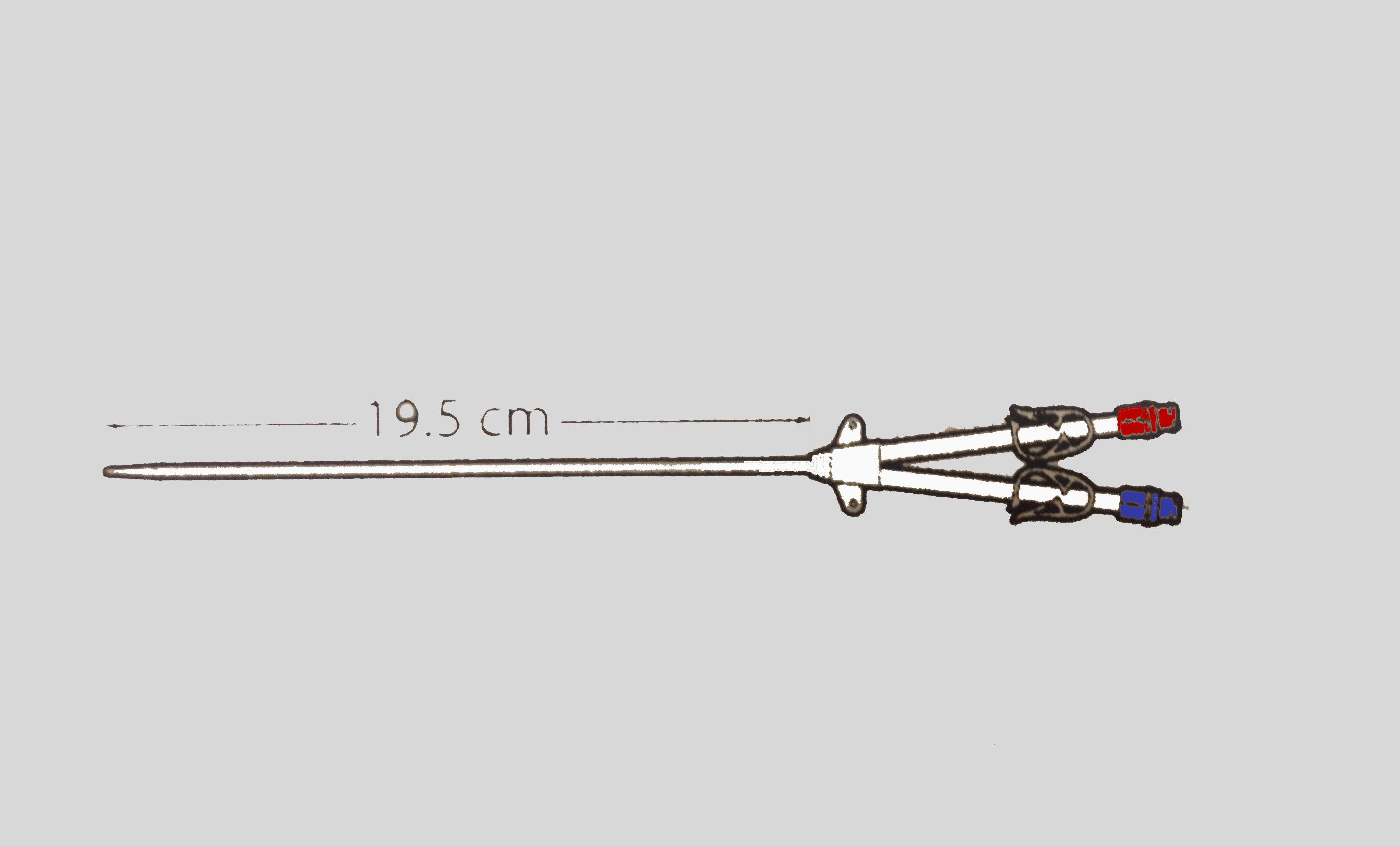
Acute renal failure (ARF) in the ICU is a common problem. In fact, it is estimated that up to 25% of patients admitted to the ICU will develop ARF which
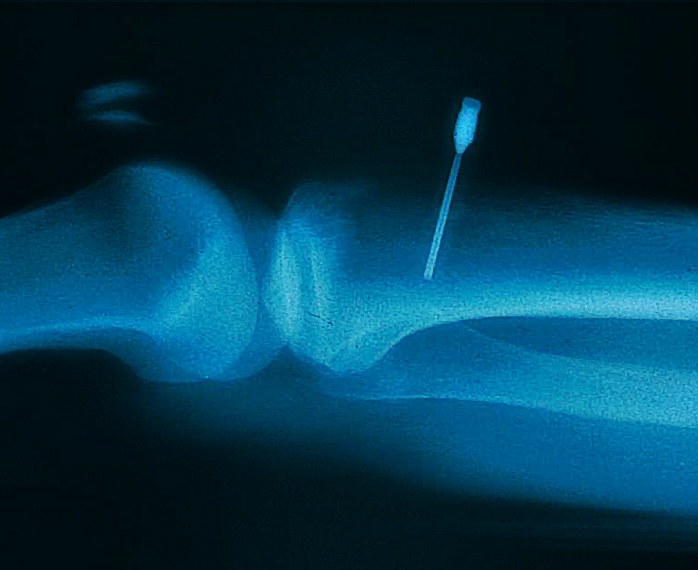
[tab_nav type=”two-up”][tab_nav_item title=”Clinical Case” active=”true”][tab_nav_item title=”Answer” active=””][/tab_nav][tabs][tab active=”true”] Since 1922, physicians have been using the long bones as a “non-collapsible vein” for fast and reliant resuscitation. Although first targeted to